We Use CookiesWe use cookies to enhance the security, performance,
functionality and for analytical and promotional activities. By continuing to browse this site you
are agreeing to our privacy policy
10 Best Line Counter Fishing Reels
From leading brands and best sellers available on the web.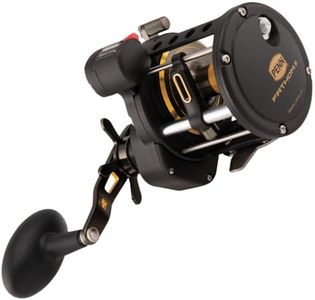
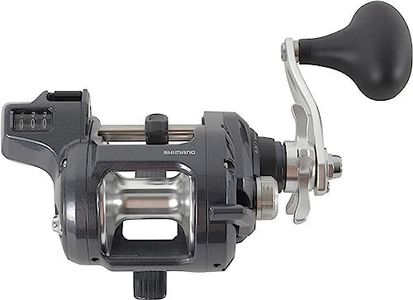
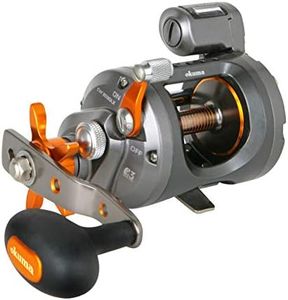
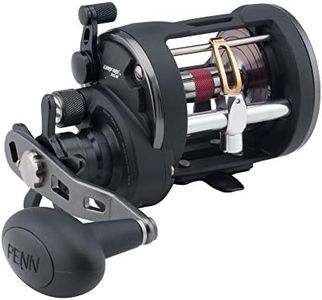
Related Products
Up to 37% off
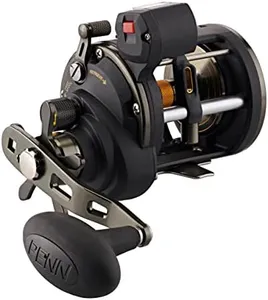
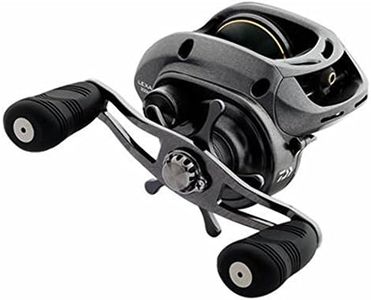

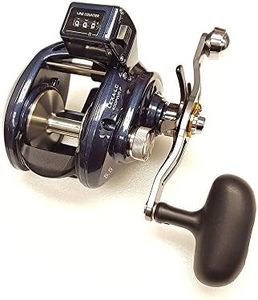
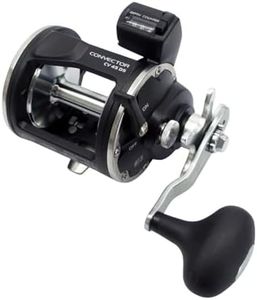
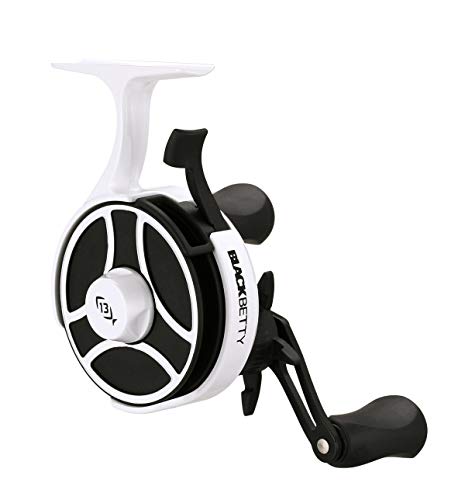

Buying Guide for the Best Line Counter Fishing Reels
Choosing the right line-counter fishing reel can make your fishing experience much more enjoyable and successful. These reels are designed to help you know exactly how much line you have out, which is especially useful for trolling or deep-water fishing. When picking a reel, it's important to think about the type of fishing you plan to do, the species you’re targeting, and your own comfort and experience level. Understanding the key features will help you find a reel that matches your needs and makes your time on the water more productive.Line Counter MechanismThe line counter mechanism is the feature that measures and displays how much fishing line you have let out. This is important because it allows you to place your bait at the exact depth where fish are likely to be. Some counters are mechanical, using gears and numbers, while others are digital. Mechanical counters are simple and reliable, while digital ones may offer more features but require batteries. If you fish in low light or want extra features, a digital counter might be helpful, but for most users, a mechanical counter is sufficient and easy to use.
Line CapacityLine capacity refers to how much fishing line the reel can hold, usually listed in yards or meters for a certain line strength (pound-test). This is important because different types of fishing require different amounts of line. For shallow lakes or small fish, a lower capacity is fine, but for deep water or larger fish, you’ll need a reel that can hold more line. Think about the depth you’ll be fishing and the size of fish you’re targeting to decide how much capacity you need.
Gear RatioGear ratio tells you how many times the spool turns for each turn of the handle. A higher gear ratio means the reel retrieves line faster, which is good for quickly bringing in your catch or resetting your bait. Lower gear ratios provide more power for reeling in heavy fish but retrieve line more slowly. If you’re targeting big, strong fish or fishing deep, a lower gear ratio is helpful. For faster action or smaller fish, a higher gear ratio can save time.
Drag SystemThe drag system controls how much resistance a fish feels when it pulls on the line. A smooth, adjustable drag is important for preventing the line from breaking and for tiring out fish. Some reels have star drags, while others have lever drags. Star drags are easy to adjust on the fly, while lever drags offer more precise control. If you’re new to fishing, a simple, smooth drag system is best. If you plan to target larger or more powerful fish, look for a reel with a strong, reliable drag.
Reel Construction and MaterialThe materials used in the reel affect its weight, durability, and resistance to corrosion. Reels made from graphite are lightweight and resistant to rust, making them good for freshwater fishing. Aluminum reels are stronger and more durable, which is better for saltwater or heavy-duty use. If you fish in harsh conditions or saltwater, choose a reel with corrosion-resistant materials. For casual or freshwater fishing, a lighter reel may be more comfortable.
Handle DesignThe handle is what you use to retrieve the line, and its design can affect comfort and control. Some handles are single, while others are double for extra grip and balance. Larger, padded handles are easier to use for long periods or when fighting big fish. If you have larger hands or plan to fish for extended periods, look for a comfortable, ergonomic handle.