We Use CookiesWe use cookies to enhance the security, performance,
functionality and for analytical and promotional activities. By continuing to browse this site you
are agreeing to our privacy policy
10 Best Dermaplaning Tools
From leading brands and best sellers available on the web.By clicking on a link to a third party's website, log data is shared with that third party.




Related Products
Up to 5% off

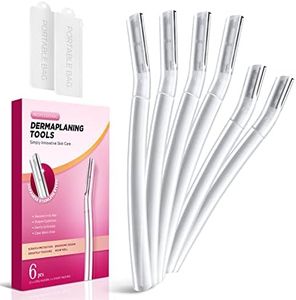
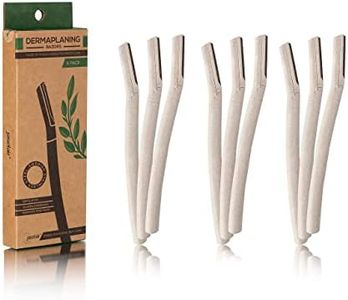
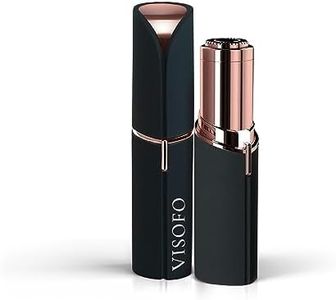
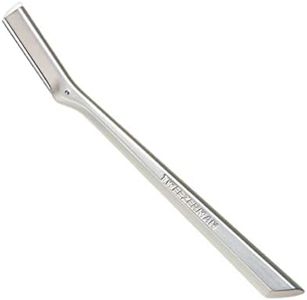
Recommended lists

Top rated
Deshedding Tools
Buying Guide for the Best Dermaplaning Tools
Choosing the right dermaplaning tool can make a big difference in your skincare routine. Dermaplaning tools are designed to gently exfoliate the skin and remove fine facial hair, leaving your skin smoother and brighter. When shopping for a dermaplaning tool, it's important to consider your skin type, experience level, and how often you plan to use the tool. Understanding the key features will help you select a tool that is safe, effective, and comfortable for your needs.Blade TypeThe blade is the most important part of a dermaplaning tool, as it does the actual exfoliating and hair removal. Blades can be made from stainless steel or other metals, and they come in different shapes and sharpness levels. Some are single-use and disposable, while others are reusable. If you are new to dermaplaning, a tool with a safety guard or a less sharp blade is a good choice to minimize the risk of nicks. More experienced users might prefer a sharper, professional-style blade for a closer exfoliation. Always consider your comfort and skill level when choosing the blade type.
Handle DesignThe handle of the dermaplaning tool affects how easy and comfortable it is to use. Handles can be straight, curved, or ergonomically shaped to fit your hand. A non-slip grip is helpful, especially if you plan to use the tool in the bathroom where your hands might be wet. If you have smaller hands or limited dexterity, look for a handle that is lightweight and easy to maneuver. The right handle design will help you maintain control and precision during use.
Blade Replacement SystemSome dermaplaning tools have replaceable blades, while others are designed to be disposed of after a few uses. Replaceable blade systems can be more cost-effective and environmentally friendly, but they require you to change the blade safely. Disposable tools are convenient and hygienic, especially for beginners or occasional users. Think about how often you plan to dermaplane and whether you prefer the convenience of disposables or the sustainability of a reusable handle with replaceable blades.
Safety FeaturesSafety features such as blade guards, rounded tips, or protective covers can help prevent accidental cuts and make the tool safer to use, especially for beginners. If you are new to dermaplaning or have sensitive skin, look for tools with built-in safety features. More advanced users may opt for tools with fewer safety features for a closer exfoliation, but always prioritize your comfort and safety.
Ease of CleaningKeeping your dermaplaning tool clean is important to prevent skin irritation or infection. Some tools are designed to be rinsed easily under water, while others may require more thorough cleaning or even sterilization. If you want a low-maintenance option, look for tools that are easy to clean or disposable. If you plan to reuse your tool, make sure you are comfortable with the cleaning process recommended by the manufacturer.